

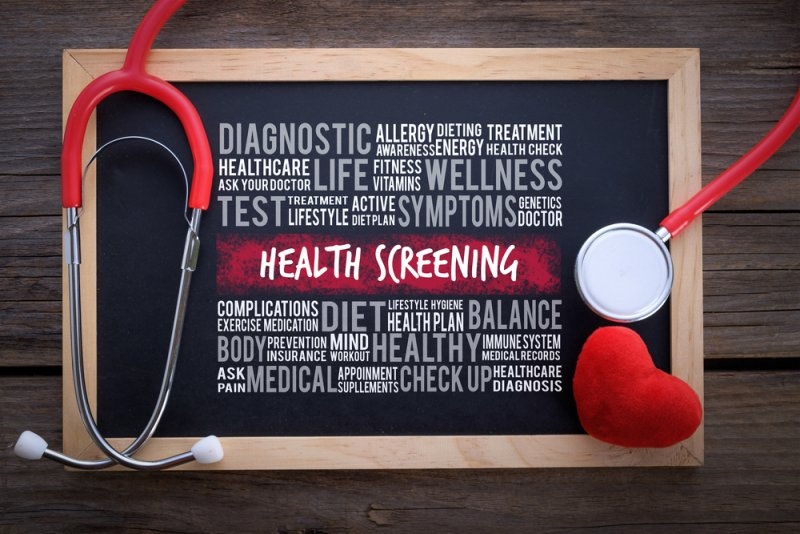
A health screening can give you an early indication of a health issue before it gets worse. Preventive services may be as basic as routine check-ups, blood work, or cancer screening suited for your age. Being aware of what to expect can make health screening less confusing and can assist you in talking with your doctor about the right options for you.
It is a test or health check that looks for signs of a disease or health condition in people who don't have any symptoms. The aim of screening is to pick up signs of health problems early so they can be further investigated and managed.
A screening is not a diagnostic test. Screening can provide evidence of the need for further testing, but most screening tests do not provide a definitive diagnosis of a disease. An abnormal screening test may require a retest, an exam, imaging, or other diagnostic test.
You may need different screening tests as you age or as your health risks change. Some screening tests are done during your regularly scheduled check-up. Others may need special equipment or laboratory testing.
Common health screening tests include
Not everyone requires all of them. Family history, smoking history, health status, and many other factors will alter when screening needs to be started and how regularly it should be checked. Have a discussion with your doctor so that you can determine which health screening tests are most appropriate.
Learn More: Best Holistic Wellness Ideas for Better Living in 2026
Regular screenings will identify problems even if symptoms are not present. Hypertension, cholesterol issues, diabetes, and even some forms of cancer can go unnoticed, so routine screening is part of good preventive health.
Detecting the disease earlier may lead to an increased amount of time to discuss options to treat or minimize risk. Your healthcare provider may choose to treat, monitor, or recommend additional testing. It is important to understand, though, that screening can never be 100 percent accurate.
This is why you should pick preventative screenings based on evidence, age, risk level, and circumstances rather than ticking every box.
A checklist can also be helpful to keep regular screenings in order and to remember suggested follow-up. Can a screening checklist be helpful to me?
Your health screening checklist can include:
Storing your previous results can help your provider detect any changes that happen over the years. Updating your family history is also important because new discoveries about your closest relatives may alter future screening recommendations.
Your health screening may begin with a series of questions about your health history, current medications, lifestyle, family history, and any recent changes in your health. Your health care provider may do a few simple tests or measurements.
What health screening tests: You might have blood samples, tests like blood pressure or vision tests, or imaging. Depending on the test, you may need to do some preparation, like fasting before the test—see instructions before your appointment.
Request the time your results will be in and the implications they may have. If abnormal, your provider may suggest a second test to rule out whether this may be related to health problems.
The recommended screening level is a way to think about your health screening as a part of your regular healthcare and not just an annual task. You may need to be screened more or less often for a number of reasons: age, lifestyle, family history, other medications, and risk factors. Prepare for the test and inquire ahead of time about the following:
The information will help you understand the purpose of each screening.
Following your screening, save your results and follow up as recommended. When it comes to preventive health screenings, they're most effective when you know what to do with your results.
Health screening is a way of detecting some diseases and other health issues before you notice the symptoms. What are the appropriate health screening tests for you? Age, family history, lifestyle, and health risks.
A health screening checklist can keep you on track, but it's not a substitute for talking to a doctor. Talk to your doctor about screening tests for prevention, get the reasons for the tests, and get explanations for abnormal findings. A tailored screening plan will help guide your long-term health planning.
No single schedule applies to everyone. Your screening schedule depends on the type of screening, age, sex, family history, lifestyle, and other risk factors.
Your doctor or other health care professional can tell you when each type of screening should start and how often it should be repeated.
It depends on your health insurance plan and whether a screening test is viewed as a preventive service or a diagnostic test. You should contact your insurer and have your insurance plan details available before scheduling an appointment if you are unsure about what tests will cost you.
Yes. The more years you smoke, the more likely you are to have a lung disease or a form of cancer. Being overweight and not physically active can put you at risk for diabetes and heart disease. Heavy use of alcohol can also be a risk factor for certain cancers.
Your doctor can advise you on what risk factors you have and what screening is needed because of those risks.
No. Screening suggests that there could be a health problem. Diagnosis confirms the presence of a health problem. Most diagnostic testing is more specific than screening.
Yes. It's often a good idea to keep copies of your test results. For example, when you see a new doctor, it's helpful to bring your previous tests. You may also want to compare your results from year to year.
This content was created by AI